Why does smoke smell come back after a fire in West Palm Beach
Smoke odor returns after a West Palm Beach fire because soot and odor particles stay trapped in walls, HVAC ducts, and porous materials long after the visible damage is gone.
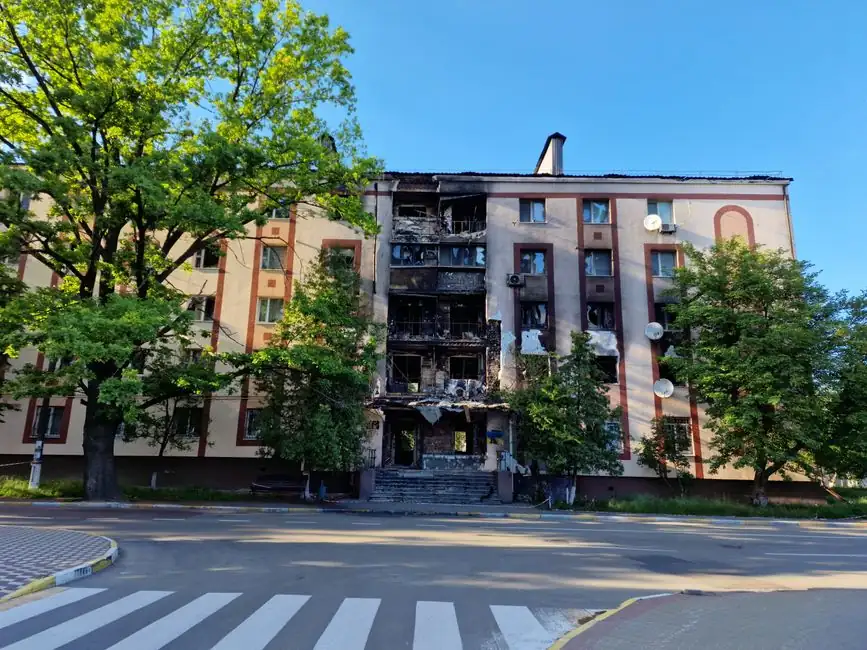
Smoke smell comes back after a fire because the odor source was never fully removed - soot particles and volatile organic compounds stay trapped inside wall cavities, HVAC ducts, insulation, and porous materials like drywall, carpet, and upholstery. Every time humidity rises or the AC kicks on, those particles release again. In West Palm Beach, where indoor humidity sits above 60% most of the year, that cycle repeats faster than in drier climates. This post explains exactly where the smell hides, why it resurfaces weeks later, and what actually removes it for good.
We handle fire damage restoration west palm beach calls every month where the homeowner already paid a cleaning crew once and the odor came back within two to three weeks. The pattern is almost always the same.
The short answer: smoke smell returns because the source was never fully removed
Smoke odor removal is the process of finding and eliminating every residue source that off-gasses inside a structure, not just masking the smell on surfaces. Surface cleaning removes what you can see. The smell you keep noticing is coming from what you cannot see.
Smoke from a house fire contains more than 100 identifiable compounds. The two that matter most for lingering odor are:
- Soot particles - microscopic carbon residue that settles into every crevice, including the back side of drywall and the inside of ductwork.
- VOCs (volatile organic compounds) - chemicals like benzene, formaldehyde, and acrolein that soaked into porous materials during the fire and release slowly for months.
Wiping down walls with a degreaser kills the smell on the surface. It does nothing for the soot that drifted into the wall cavity through an outlet, or the VOCs sitting inside the carpet pad. That is why the smell returns.
Why West Palm Beach homes hold smoke odor longer than you'd expect
West Palm Beach's climate and housing stock both work against you when it comes to smoke odor. Three local factors matter more here than in most of the country.
Year-round humidity keeps odor particles active
Our average relative humidity runs between 65% and 80% for most of the year. High humidity keeps porous materials slightly damp, and damp materials release trapped VOCs continuously. In a dry climate, odor particles go dormant. Here, they stay active.
Older homes in El Cid and Flamingo Park have more places for smoke to hide
Homes built between the 1920s and 1950s - common in WPB Fire Damage Restoration in El Cid and the surrounding historic districts - have plaster walls, unlined interior cavities, and original hardwood floors. All three absorb smoke deeply. Plaster is more porous than modern drywall, and original hardwood soaks up odor into the grain.
Air conditioning runs almost every day
We run our AC an average of 10 to 11 months per year in West Palm Beach. Every time the system cycles on, it pulls air through the return ducts and pushes it back into every room. If smoke residue is sitting in the ductwork or on the evaporator coil, the AC redistributes that smell through the whole house multiple times a day.
The five places smoke hides in a West Palm Beach home
After a fire, we inspect these five areas in every West Palm Beach home because they account for the vast majority of recurring odor complaints.
- HVAC ducts and the air handler. Smoke gets pulled into the return vents during the fire and coats the inside of the ductwork. Every AC cycle re-releases it.
- Wall cavities behind outlets and switches. Smoke travels through the smallest gaps. Outlets act like chimneys into the wall cavity.
- Attic insulation. Blown-in fiberglass and cellulose trap soot like a sponge. This is the number one source we find when a homeowner says the smell is worse upstairs.
- Carpet, pad, and upholstery. Carpet pad is the most absorbent material in the house. If it isn't replaced, the smell stays.
- Cabinet interiors and drawer boxes. Kitchen fires push smoke into every cabinet. Particle board and MDF absorb it deeply.
We have pulled carpet pad from a home in the Clematis Street District six weeks after the fire and found it still smelled like a campfire. The homeowner had already paid for two surface cleanings. Neither one touched the pad.
Why does the smell get worse weeks after the fire?
The smell gets worse weeks after a fire because heat and humidity pull trapped VOCs back out of porous materials, and because your HVAC system starts redistributing residue that settled inside the ducts. This is a predictable pattern, not a sign that something new is burning.
Here is the timeline we see most often in West Palm Beach:
- Days 1-3: The sharp, acrid smell of fresh smoke. Strongest right after the fire.
- Days 4-14: The smell fades as surface residue is cleaned or dries out. Homeowners think the problem is solved.
- Weeks 3-6: The smell returns, often stronger in the afternoon when indoor humidity peaks. This is when we get the call.
- Months 2-6: Without proper remediation, the odor settles in permanently. It becomes the smell of the house.
If you had a fire in late summer or early fall, the return of the smell often lines up with the first stretch of humid weather after the AC has been running hard. That is not a coincidence.
What actually removes smoke odor for good
Removing smoke odor permanently requires eliminating every residue source, sealing or replacing porous materials that cannot be cleaned, and treating the air itself. Masking agents and ozone-only treatments do not work because they leave the source in place.
Here is the process we follow on every job:
1. Source removal
We pull carpet, pad, and any insulation that absorbed smoke. We remove charred drywall and open wall cavities where soot traveled. This is the step most DIY cleanups skip, and it is the reason the smell comes back.
2. HEPA vacuuming and soot removal
Every surface gets HEPA-vacuumed before any wet cleaning. Standard vacuums blow soot particles back into the air. Our team uses HEPA filtration on every vacuum, and we follow with chemical sponge and degreaser on walls, ceilings, and cabinet interiors. If you want to know what that step looks like in detail, our page on soot cleanup west palm beach walks through it.
3. HVAC cleaning
We clean the ductwork, the air handler, and the evaporator coil. If we skip this step, the AC will re-contaminate the whole house within a week. On most jobs this is the single most important step for stopping the smell from coming back.
4. Sealing and encapsulation
After cleaning, we seal exposed framing and wall cavities with a shellac-based primer. This locks in any residue the cleaning could not reach. It is the difference between a house that smells clean and a house that stays clean.
5. Air treatment
We finish with hydroxyl or ozone treatment, sized to the cubic footage of the home. This neutralizes airborne odor molecules that are still off-gassing. We do not run ozone in occupied spaces, and we test air quality before we hand the house back.
Typical 2026 pricing in West Palm Beach for full smoke odor remediation runs $1,800 to $6,500 for a single-family home, depending on square footage, how much material has to be replaced, and whether the HVAC system needs duct cleaning. Surface-only cleanings that skip these steps cost less up front and almost always cost more in the end.
Common mistakes that bring the smell back
We see the same mistakes on almost every callback. Avoiding them saves you a second remediation bill.
- Painting over smoke-damaged walls without sealing first. Standard paint does not block odor. The VOCs bleed through within weeks. You need a shellac- or oil-based sealer.
- Running the AC before the ducts are cleaned. This spreads soot through the entire system and every room in the house.
- Using ozone generators in an occupied home. Ozone is dangerous to breathe and does not remove the source. It only treats the air.
- Keeping carpet that was in the smoke path. Carpet pad cannot be cleaned. It has to go.
- Cleaning with vinegar or bleach. Both can set certain smoke stains and do nothing for VOCs trapped in porous materials.
- Skipping the attic. If the fire vented through the roof or a gable, insulation in the attic absorbed smoke. We see this constantly on WPB Fire Damage Restoration in Downtown West Palm Beach homes with older roof structures.
When to call a professional
Call a professional if the smell returns after your first cleaning, if it gets stronger when the AC runs, or if anyone in the house has asthma, allergies, or a young child. Those are the three signals that residue is still trapped somewhere you cannot see.
Our team handles the full scope - source removal, HVAC cleaning, sealing, air treatment, and reconstruction if walls or flooring have to come out. We work directly with your insurance adjuster so you are not stuck managing the paperwork while you are also trying to get back into your home. If you want to know what the first 24 hours look like, our Emergency Fire Damage Restoration in west palm beach page covers the sequence.
Frequently Asked Questions
How long does smoke smell last after a fire in West Palm Beach?
Without professional remediation, smoke odor can last six months to two years in a West Palm Beach home because of year-round humidity. With proper source removal, HVAC cleaning, and sealing, most homes smell neutral within 7 to 14 days.
Will the smell come back after professional cleaning?
It should not, if the source was fully removed. If the smell returns within 30 days of professional remediation, the HVAC system or attic insulation was likely missed. Call the company back - that is a callback, not a new job.
Does homeowners insurance cover smoke odor removal?
Yes, in most West Palm Beach policies. Smoke odor remediation is covered under the same dwelling and personal property coverage that pays for the fire damage itself. We document the scope and bill the carrier directly on most jobs.
Can I just use an ozone machine and be done?
No. Ozone treats the air, not the source. If soot is still in the ducts, the pad, or the wall cavities, the smell returns within weeks. Ozone is a finishing step, not a fix.
Why does the smell get worse when I turn on the AC?
Because smoke residue is sitting inside the ductwork or on the evaporator coil. Every time the system runs, it pulls air across that residue and pushes the smell into every room. Duct and coil cleaning is the fix.
Get help with WPB Fire Damage Restoration in west palm beach
If the smoke smell in your West Palm Beach home keeps coming back, the source is still there. We find it, remove it, and test the air before we call the job done.
Call WPB Fire Damage Restoration at +1 (561) 562-7610 and we will schedule an odor inspection at your home.